 Research Lab
Transformation of Organic Micropollutants
Our research focuses on understanding the fate of organic contaminants in aquatic environments. We examine how the transformation processes of priority organic contaminants affect ecosystems and human health. We characterize the mechanisms of phototransformation and biodegradation in surface water. Our approach combines laboratory experiments, field studies, and toxicological assessments to develop strategies for preserving water reservoirs for drinking and agricultural use.
Current Work
Ongoing Research
Our Approach
Advancing environmental chemistry research for a sustainable future
Our approach combines laboratory experiments, field studies, and toxicological assessments to develop strategies for preserving water reservoirs.
Join Our Lab →Laboratory Experiments
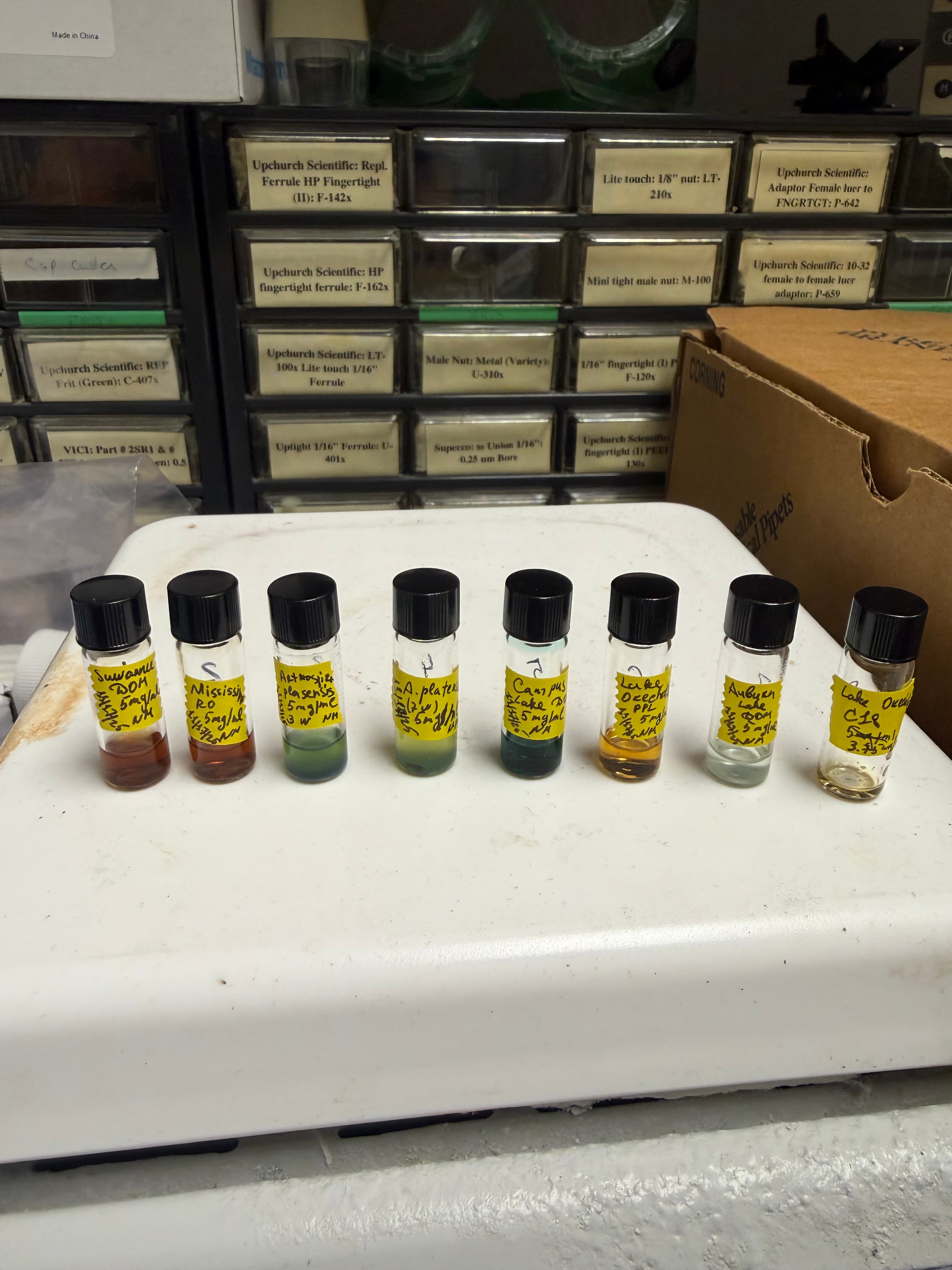
We characterize the mechanisms of phototransformation and biodegradation in surface water using simulated laboratory experiments with UVA-visible wavelength light sources.
Field Studies
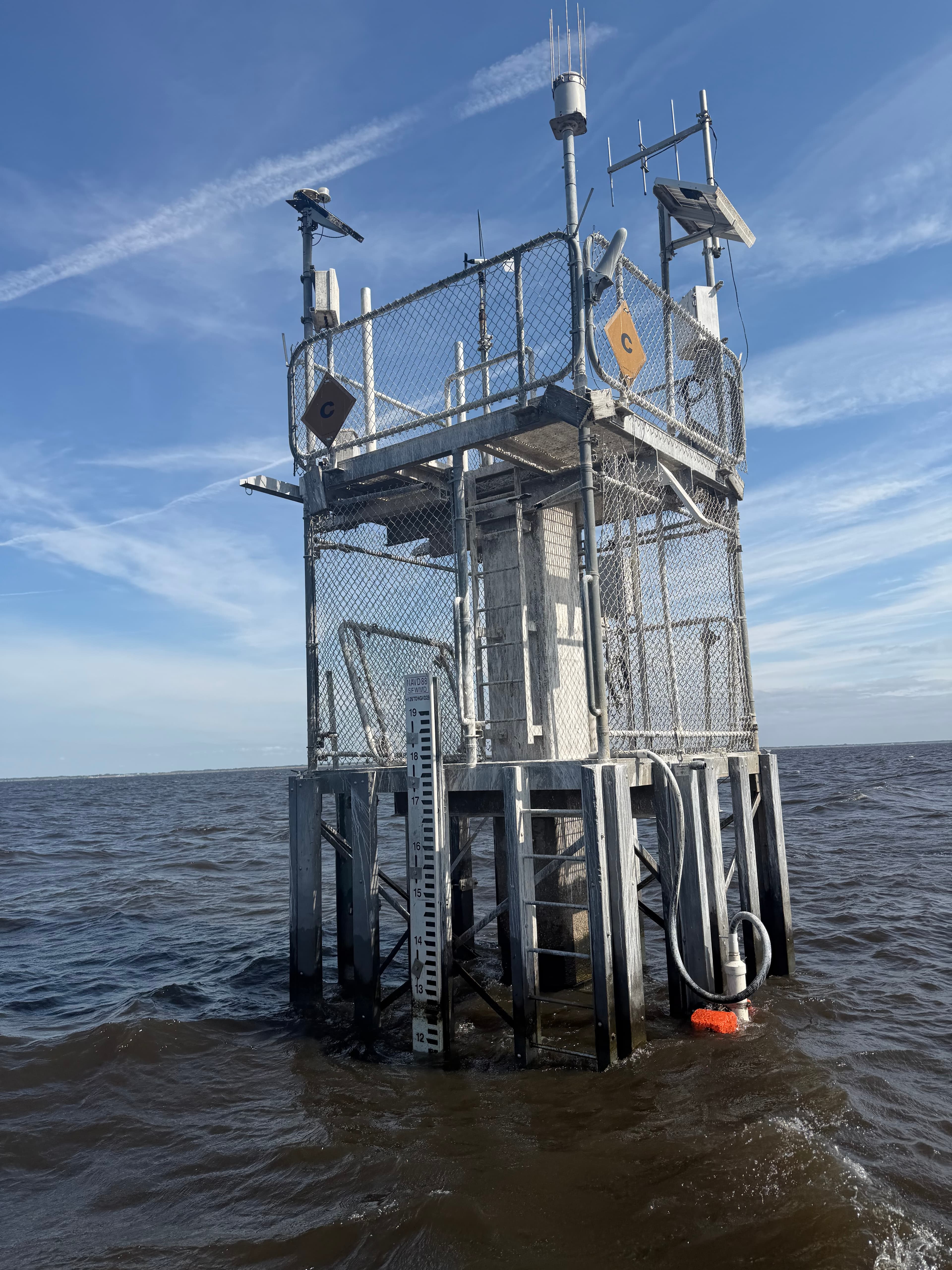
We deploy passive samplers in lakes and rivers, evaluating contaminant profiles and concentrations over space and time to monitor transformation processes in real environments.
Toxicological Assessments
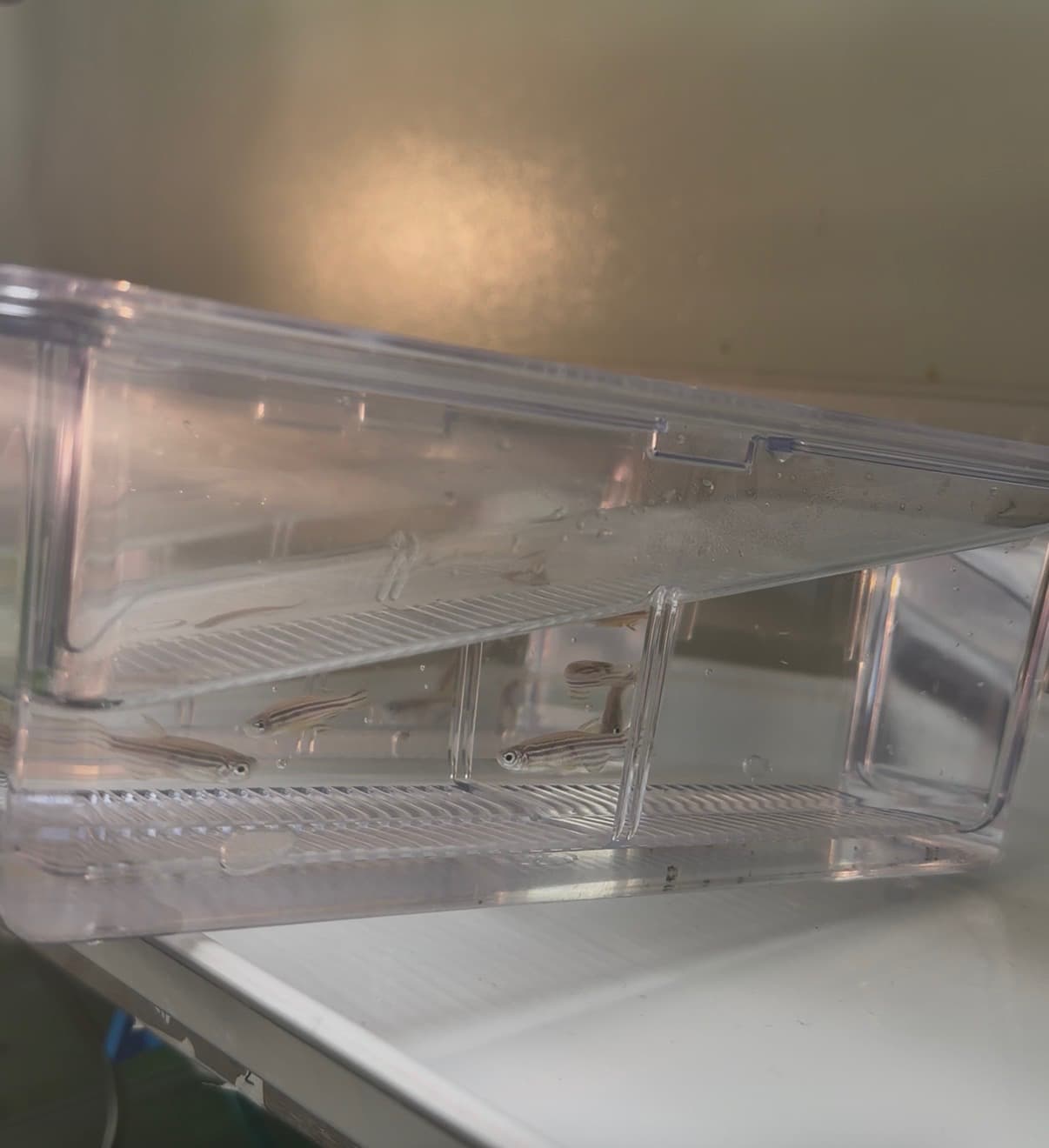
Our approach combines environmental chemistry, ecotoxicology, and machine learning to develop strategies for preserving water reservoirs for drinking and agricultural use.
10/23/2026
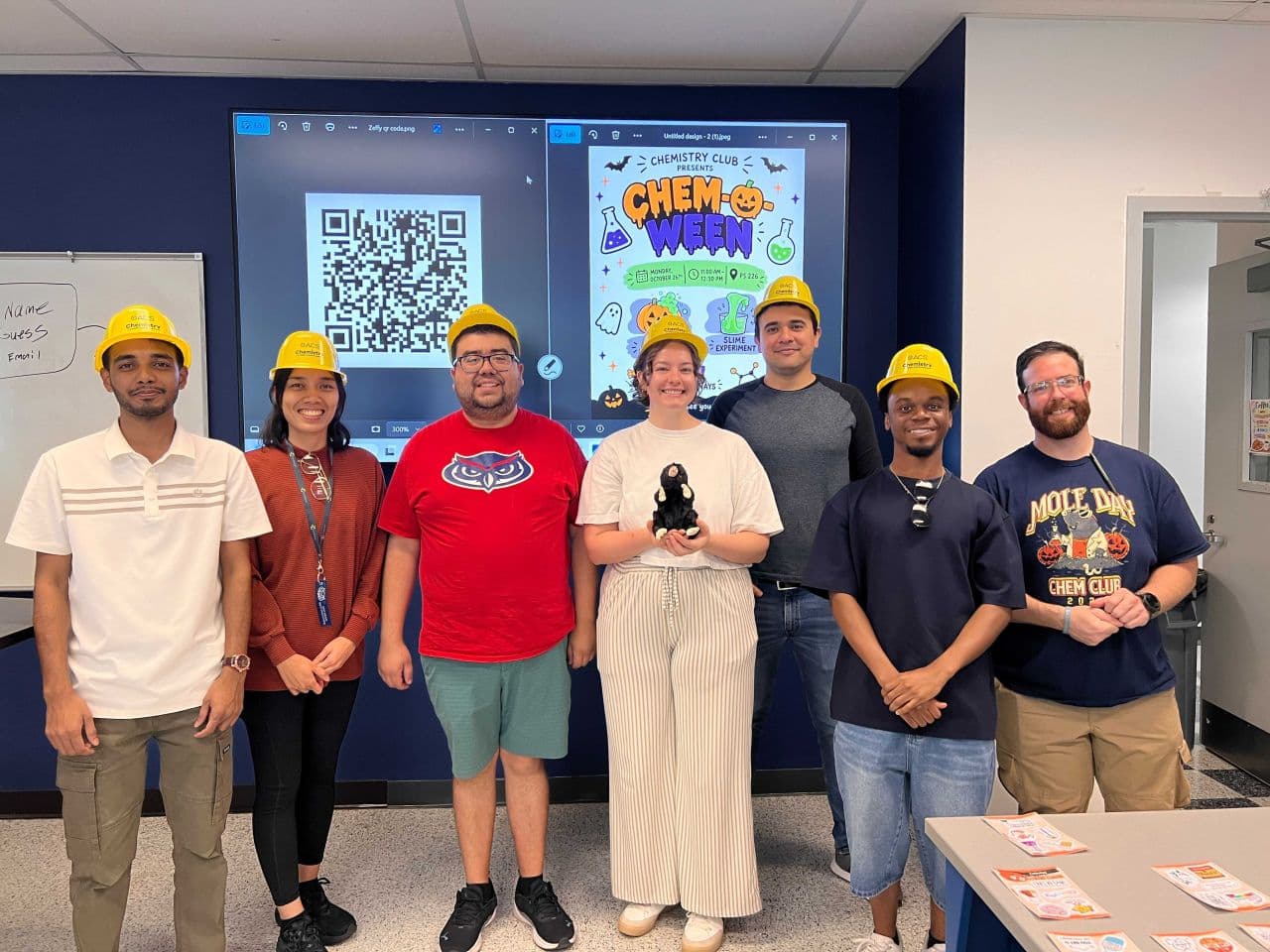
Happy Mole Day!
My lab group (all four members) is having fun with the FAU Chem Club without me, somehow! I have to join next year :D
Read more news →Our Sponsors
Supported by leading scientific institutions


Join Us
We are looking for you!
We're looking for graduate students, undergraduates, and postdoctoral fellows passionate about environmental chemistry.